A Map of Your Territory

As we live our lives we each explore our own aesthetic territory from the ground. We travel a road partly dictated by chance, and we can’t look very far ahead along it. While we do have a rough mental picture of what we like and where it might be located, we’re not in a position to map the whole clearly.
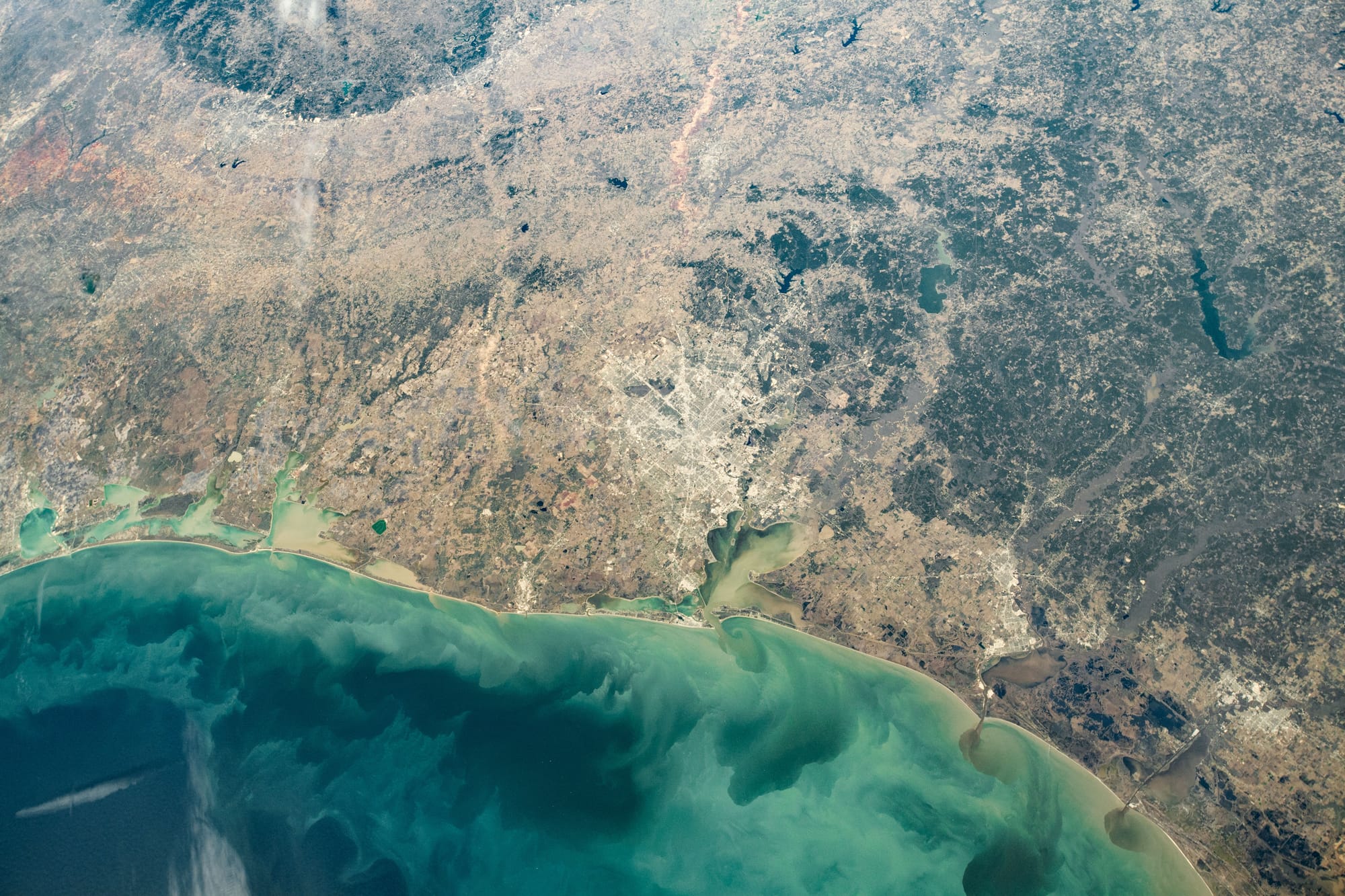
If someone were to show us a satellite image of our own tastes, we’d be astonished by what we could see. Our surprise wouldn’t come from unfamiliarity, but quite the reverse. Everything we’d experienced about ourselves would be laid out plain as day, from a bird’s-eye view we’d never expected to have access to.
The MyType app uses machine-learning technology to give us that bird’s-eye view. A few dozen clicks are enough to show where our mountains and rivers are - and with a few dozen more the foothills and then the trees come into view. We’d always felt they must be somewhere around there. But to actually see it is striking and informative.
Once our friends complete their few dozen clicks and share their own satellite images, there’s a second surprise. We go through life assuming the hills we climb and the rivers we cross must be in roughly the same places, just shifted a little bit here and there. But it turns out they aren’t. We underestimate the magnitude of our differences. When we’re climbing up, they’re climbing down; when we need to turn left, they need to turn right.
The fact that MyType can map tastes so clearly and distinctively in such a short time seems like magic to some people. But it’s just machine learning revealing from above what we were always living below.
To bring this explanation to life, let’s have a look at some concrete examples.
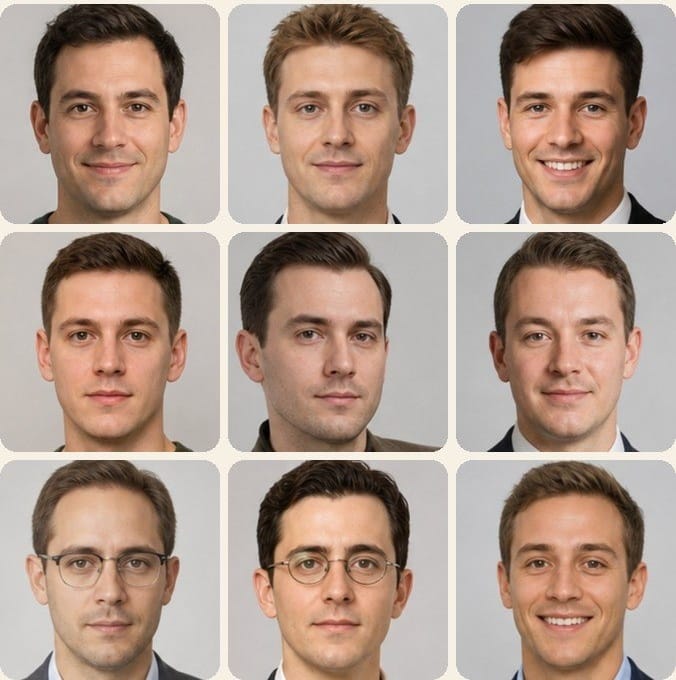
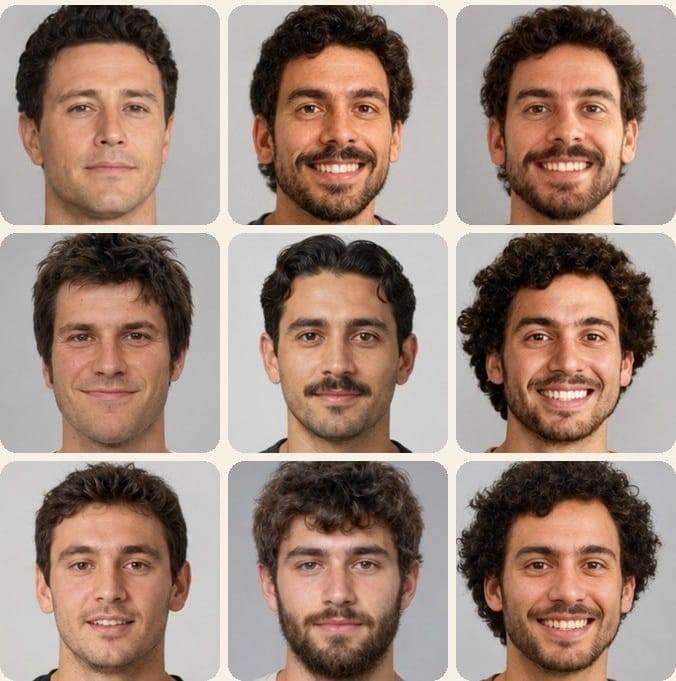
In the next gallery you can see the top results for two different MyType users. They show representative faces that cluster near a user’s type. The differences are striking. It’s obvious these two men aren’t pursuing the same women at all.
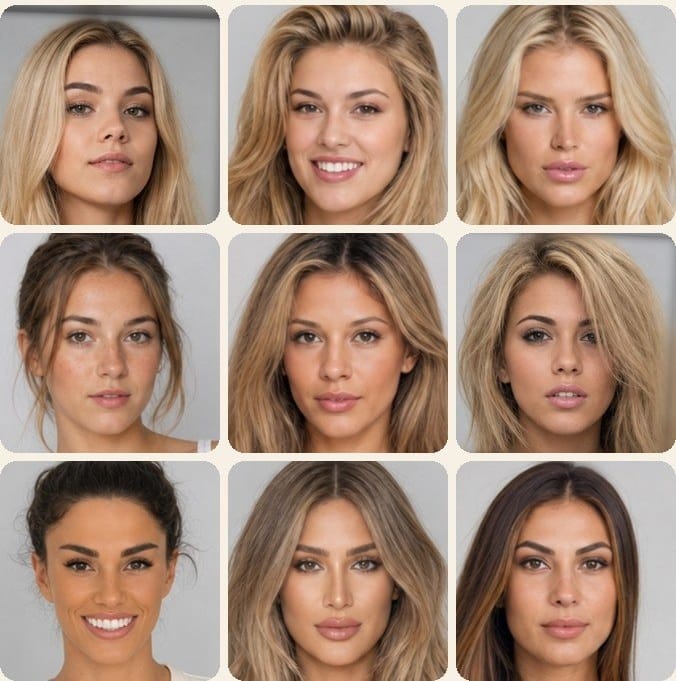
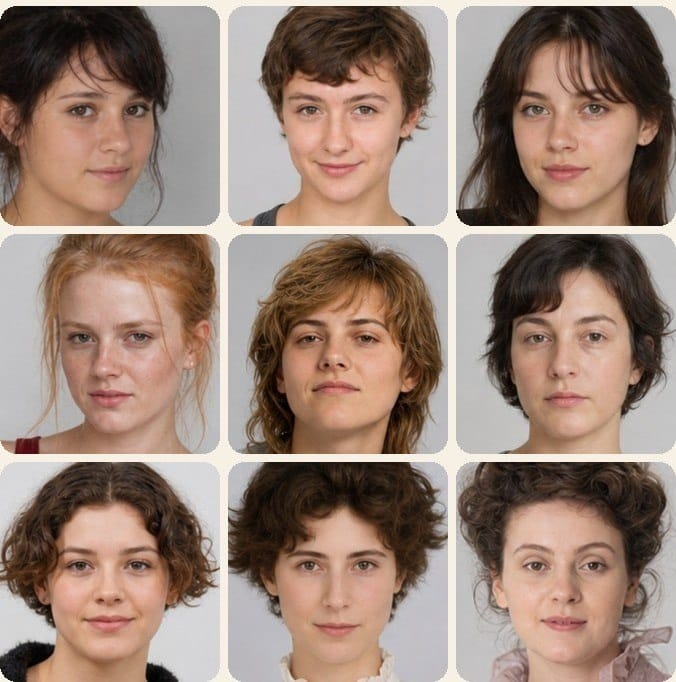
Here are results for two more MyType users. Again, it’s obvious that all four of these sets display dissimilar types. And the dissimilarities are the rule rather than the exception.
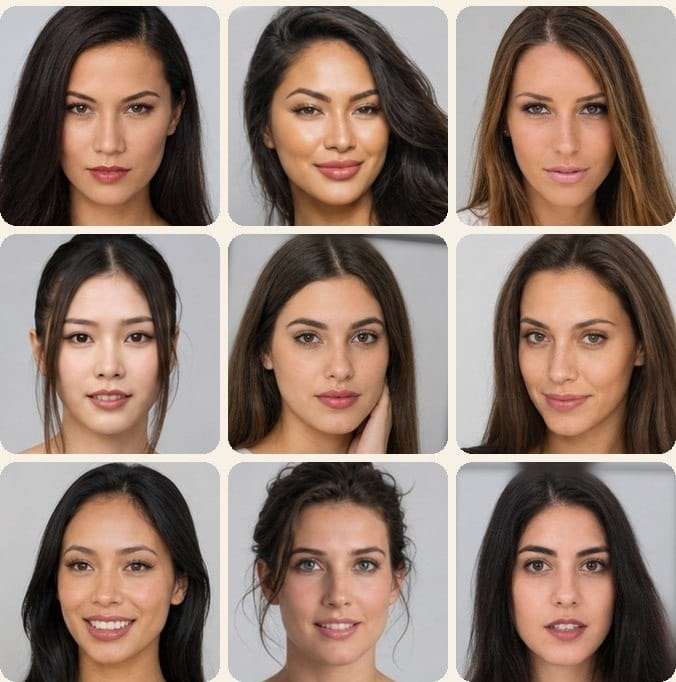
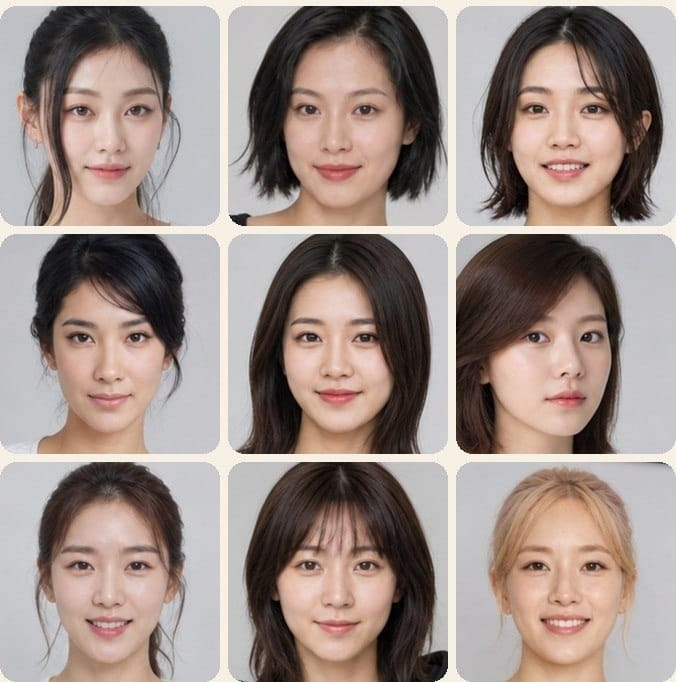
When couples complete the MyType quiz they get the best surprise of all. Most of us naturally gravitate toward the unique type we love more than the crowd does. So you’ll usually discover that your girlfriend or wife matches your type, while she’ll usually discover that you match her type. Couples have a lot of fun sharing these results. Once again, MyType can confirm from above what they only suspected from the ground.
(N.B. Naturally, it’s impossible to guarantee that every existing marriage is type to type - but would a quiz really be a quiz without a little risk?)
If you’re not in a relationship, MyType can make it easier to decide whom to pursue and whom not to pursue - much like a bird’s-eye view would help you decide which road through the landscape of your life you should really be taking.
For some people seeing is believing. For others only hard numbers count. Well, as it happens, we have both.
The median number of shared type faces for any two MyType users is zero. And between 300 pairs of MyType users, 252 share at most one face with any other user, while 84 share zero faces.
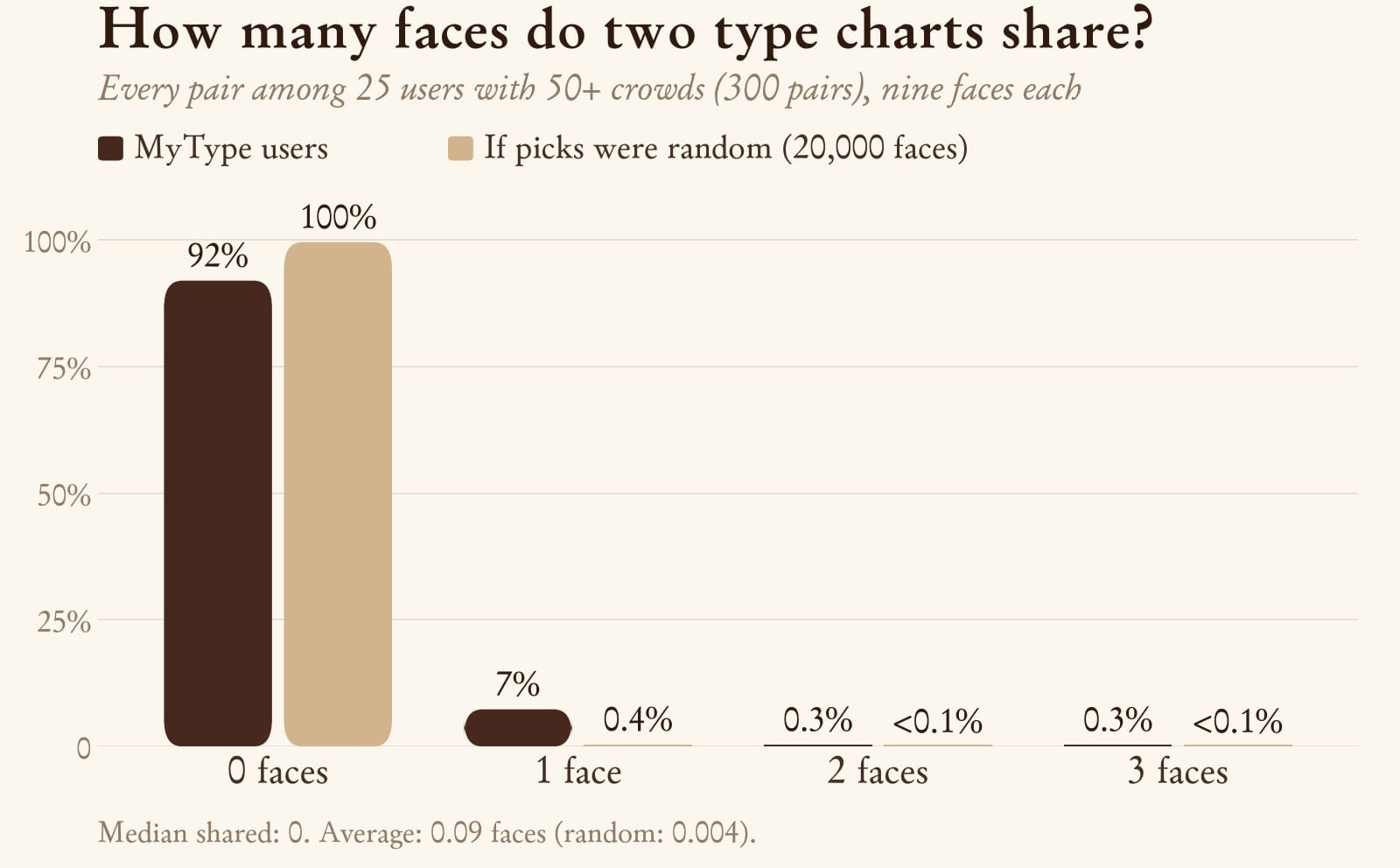
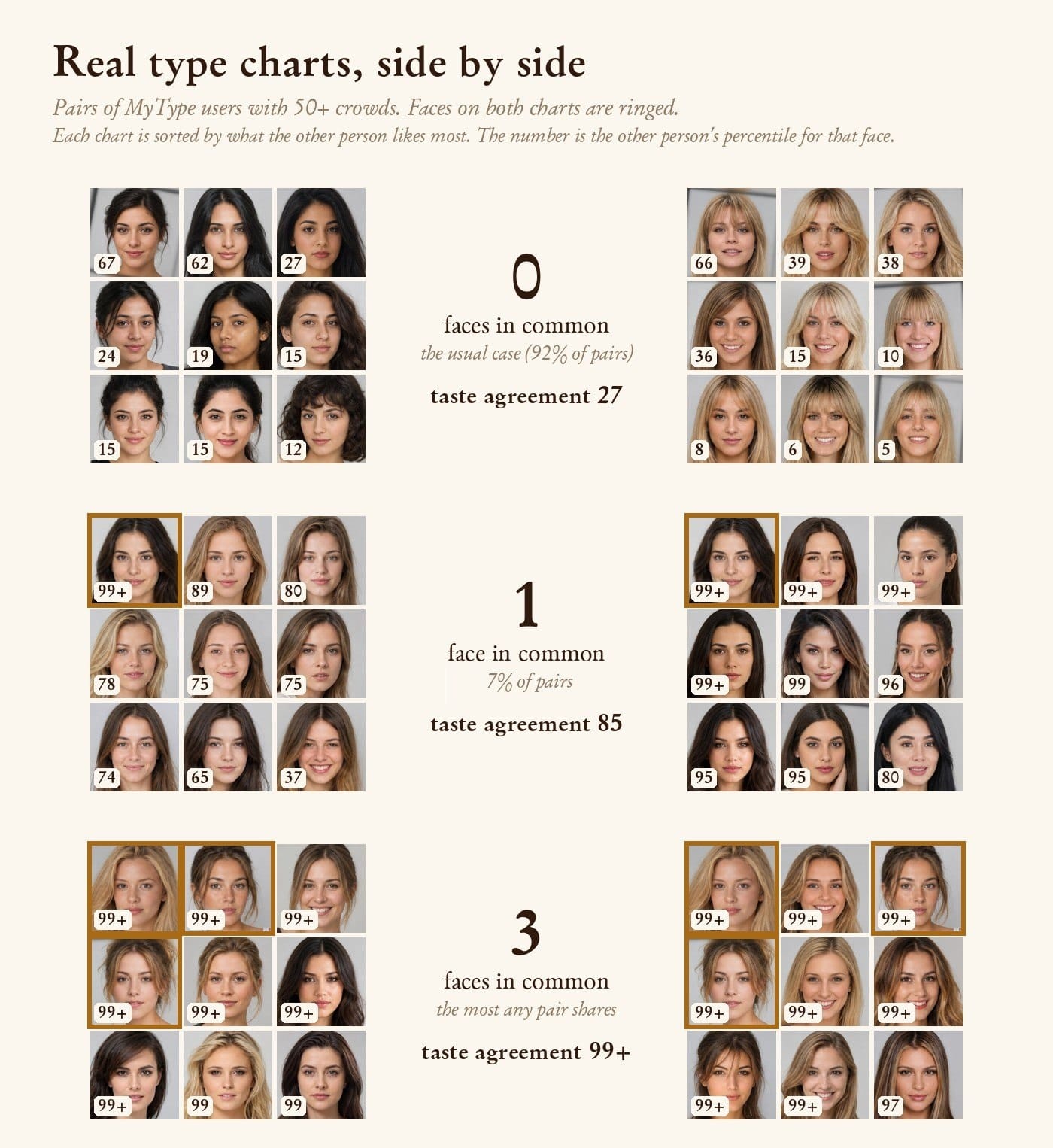
Face overlap is of course a very crude measure. I only present it here as an immediately comprehensible introduction. MyType’s machine-learning model is far more sophisticated. It’s able to score faces by how well they represent a given user’s type. That in turn allows it to represent the distance between one user’s type and another’s.
You can see this below. The chart shows a randomly selected reference type on the right, and then scores a representative sample of other users by how well that reference agrees with their personal taste. The photos scattered around the left illustrate those other users’ types.
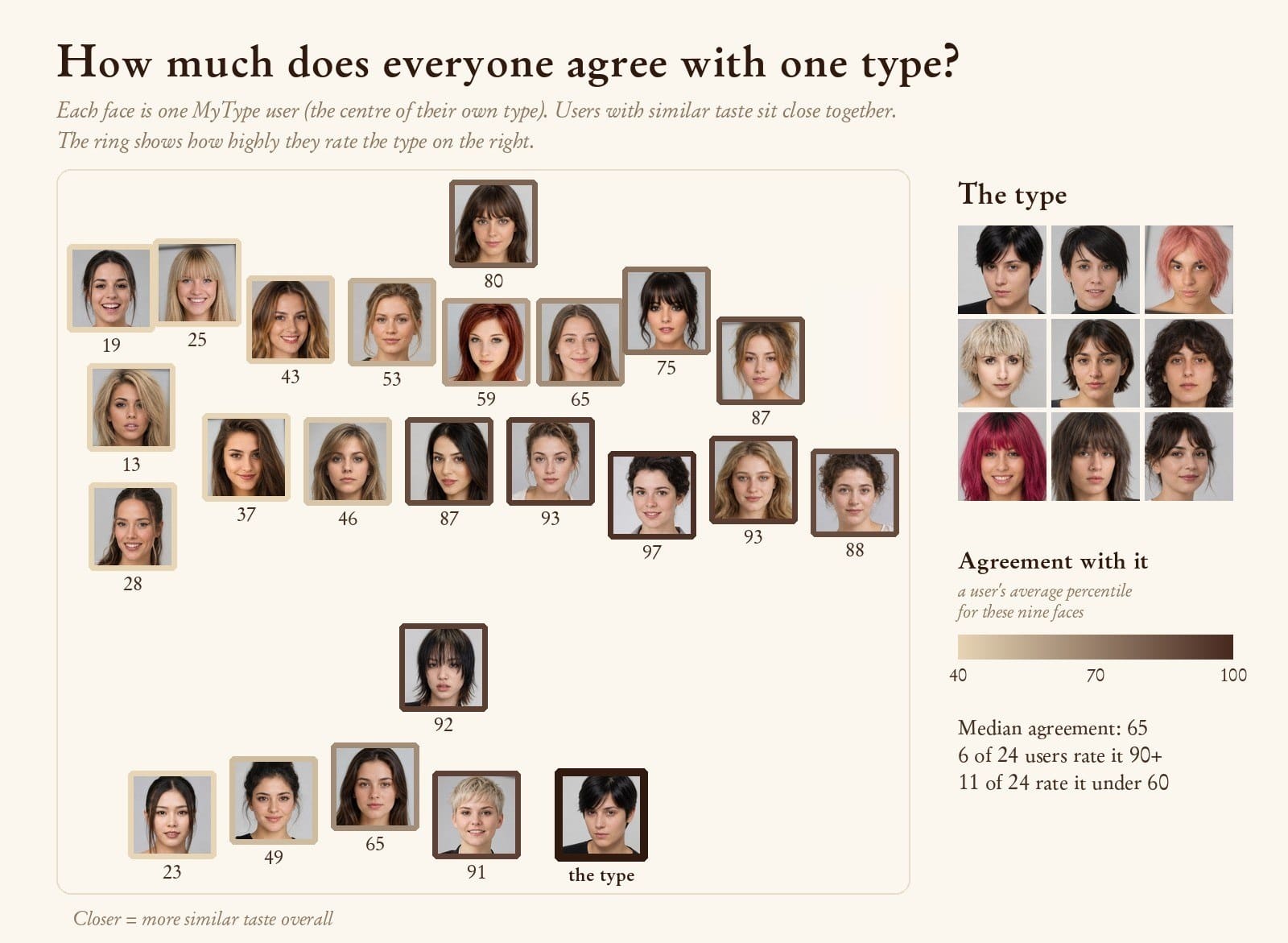
Because preferences are many dimensional, there’s no way to show everything the model knows on a simple, flat chart like this one. But it illustrates how MyType can map the distances between tastes - and how large those distances can be. One man’s trash is often another man’s treasure.
So people really do have different types. We can show it visually, and we can show it mathematically. As the userbase and database expand, MyType will have more and more precise and mathy ways to map the territories of our tastes. And there’s almost no limit to what we’ll be able to learn.
A few years back, before MyType or even AI as we know it yet existed, one of my older readers sent me photos to explain what he liked. When he looked at them he became very sad. He’d put the pieces together too late, and never found her.
With the right technology we can give everyone a better map and a better compass while there’s still time, so tragedies like this don’t keep happening. We can help people find relationships whose mere possibility would have otherwise remained hidden. We each travel different territories toward different destinations - and MyType can finally show each of us our own satellite view.