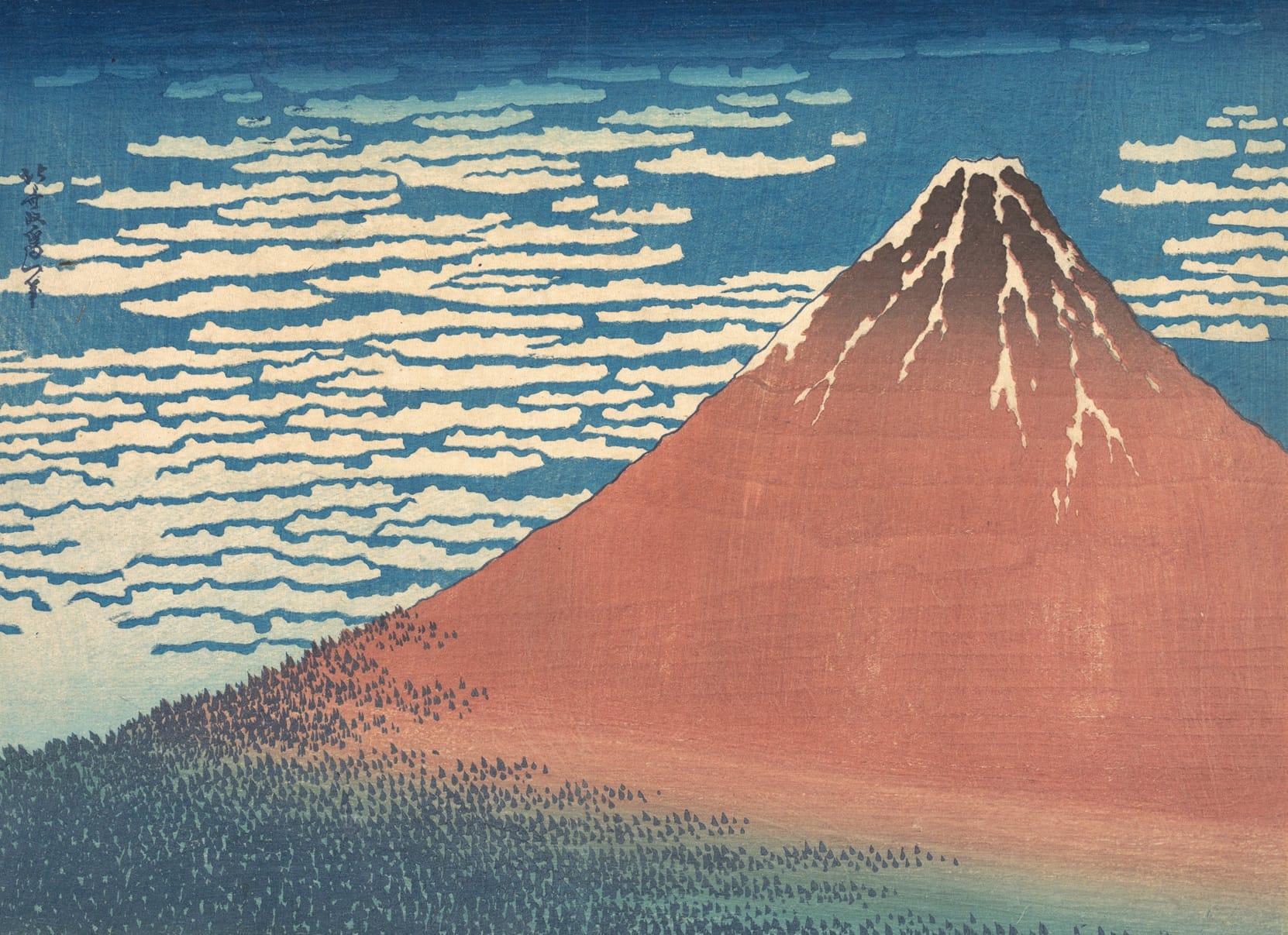
Peaks and Plateaus

The Mongolian Plateau is vast and flat and sits roughly 1,000 meters above sea level. Mount Fuji is three times taller, but comes to a narrow peak thousands of times less broad than Genghis’ steppes. Which of the two is really “higher”? The significance of this question for human beauty might not be obvious.
Beauty has its own topography. And new data from the MyType app lets us map that topography better than ever before. We now know the most broadly popular faces and the faces that receive the highest attractiveness ratings often differ.
Below are a few salient examples. For each pair, a larger fraction of men identify the face on the left as attractive. Yet more men put the face on the right in their personal top decile. For the first pair the gap is more than twentyfold - with only 2% putting the face on the left in their top decile, compared to nearly 50% on the right.


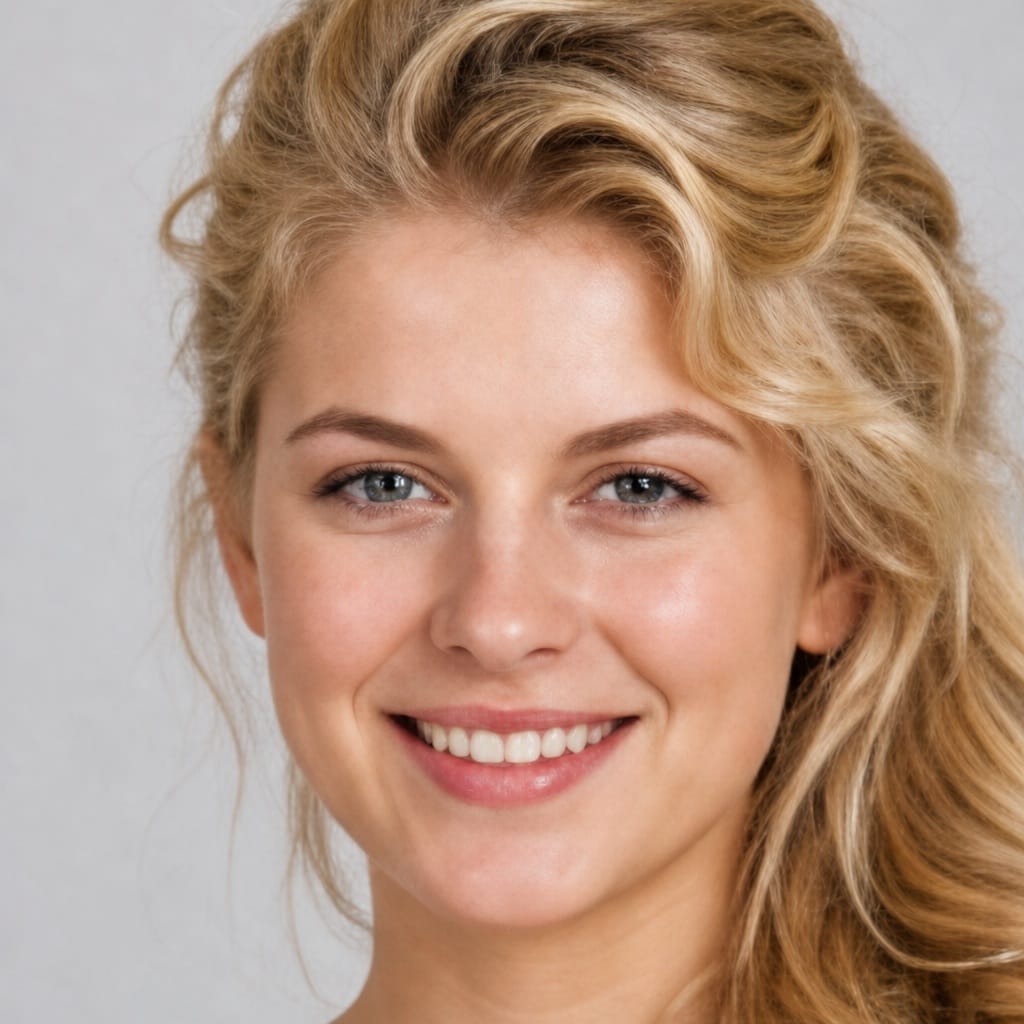


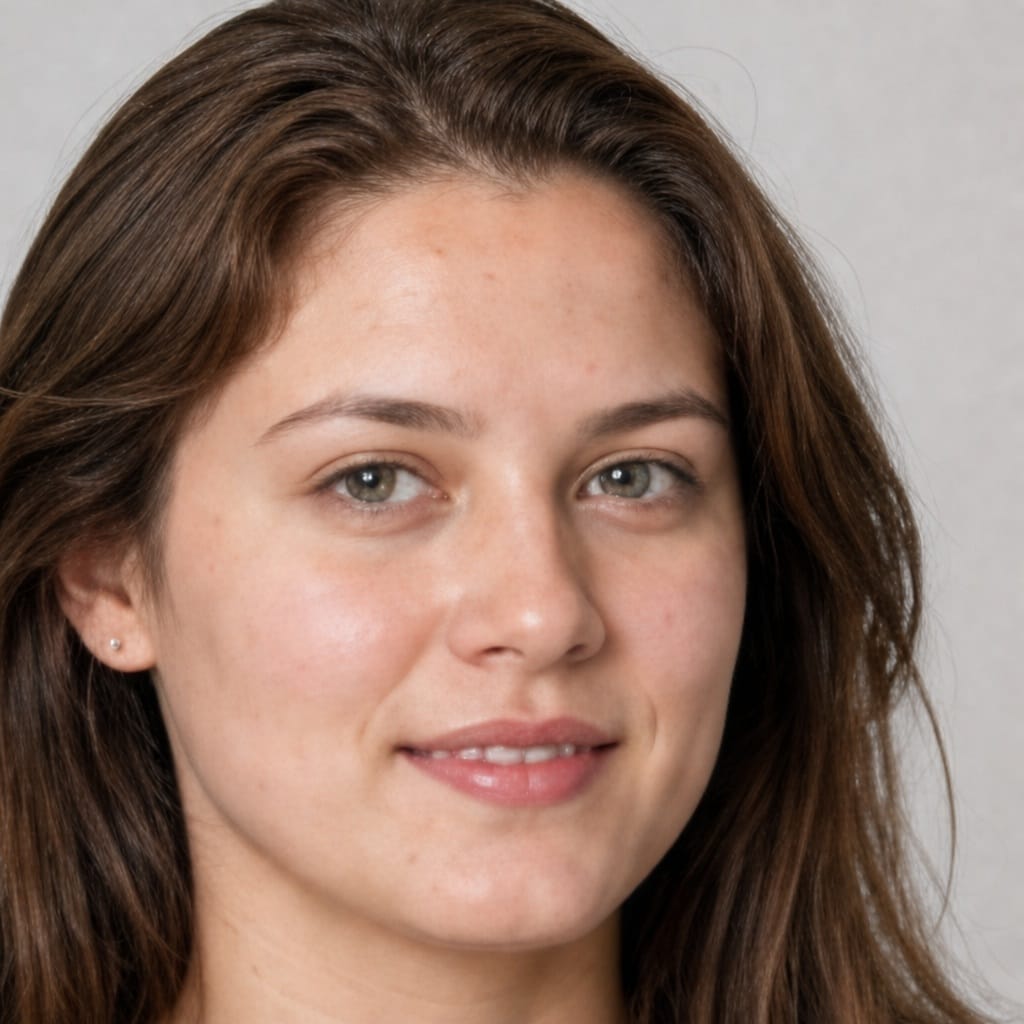
Both in our global landscape and in aesthetics, breadth at one elevation is imperfectly correlated with breadth at another elevation. So popularity alone can send a misleading signal. Since celebrities and conventional representations of beauty are often chosen for popularity, they might send a misleading signal too. Further still, peaks don’t necessarily overlap.
Whether breadth or height matters more, or breadth at what height, are knotty questions. In practice we have reason to assign these different weights, which change in a nonlinear fashion. Yet what we can say already is that two-dimensional reductions of human beauty will lead to wrong answers. Much as telling someone only that Mount Fuji has a narrower peak or only that the Mongolian Plateau is shorter fails to inform us of their actual character.